

How Do Immune Support Foods Help You Stay Healthy During Cold Season?
Immune-supporting foods give your body the vitamins, minerals, healthy fats, and protein it needs to stay resilient during cold season. While no food can prevent illness entirely, a nutrient-dense diet helps strengthen immune function, reduce inflammation, and support faster recovery. Learn which nutrients matter most, how to build immune-friendly eating habits, and when the Autoimmune Protocol may offer targeted support.
Immune support foods strengthen your body's natural defences during cold season through key vitamins, minerals, healthy fats, and quality protein. From vitamin C-rich fruits to anti-inflammatory fats and mineral-rich options, strategic food choices help maintain resilient immune function. Discover which nutrients matter most, practical food choices that deliver them, eating patterns that reduce inflammation, and why the Autoimmune Protocol provides structured support for those with specific immune challenges.
Everyone's Getting Sick Around You
Cold season hits, and suddenly everyone's coughing. Your coworker's out with the flu. Your kid brought something home.
Immune support foods can't guarantee you won't get sick. Let's be real upfront.
What they can do is give your body the nutrients it needs to mount a strong defence. Better raw materials mean better immune function.
You might still catch something. But you might recover faster, experience milder symptoms, or skip some bugs entirely.
We're covering the key nutrients your immune system needs, practical foods that deliver them, eating patterns that support your system, and when structured approaches like the Autoimmune Protocol make sense.
Staying healthy during the cold season is partly luck, partly genetics, and partly giving your body what it needs.
Key Nutrients Your Immune System Needs
Immune support foods provide essential vitamins, minerals, antioxidants, quality protein, and healthy fats that enable your immune system to function optimally. These micronutrients support everything from antibody production to cellular defence mechanisms. While no single nutrient prevents illness, adequate intake of key compounds helps your body respond effectively to threats and recover efficiently when you do get sick.
Vitamin C and Antioxidant Power
Vitamin C supports immune cell function and helps those cells fight off invaders.
It's not a miracle cure. Megadoses when you're sick won't magically fix you. But consistent intake from whole foods keeps immune cells functioning well.
Antioxidants protect cells from oxidative stress. They're a cleanup crew that prevents damage. Your immune system works better when cells aren't constantly dealing with damage.
Whole food sources beat supplements because you get the full nutrient package working together.
Vitamin C-rich foods:
- Citrus fruits provide vitamin C plus hydration
- Kiwi packs more vitamin C than oranges
- Bell peppers deliver vitamin C without fruit sugar
- Berries add antioxidants alongside vitamin C
- Leafy greens contribute vitamin C plus minerals
Food first, supplements maybe. Consistent intake from actual food beats sporadic megadoses.
Minerals, Healthy Fats, and Quality Protein
Zinc supports immune cell development and function. Deficiency tanks your immune response.
Selenium and other trace minerals play supporting roles. Quality salt and varied whole foods usually cover it.
Omega-3 fatty acids reduce inflammation. Chronic inflammation exhausts your immune system. Anti-inflammatory fats let it focus on actual threats.
Protein builds antibodies and immune cells. Skimping on protein during the cold season is like building a house without enough lumber.
Mineral and fat sources:
- Fatty fish deliver omega-3s and protein together
- Quality sea salt provides trace minerals
- Grass-fed animal fats offer stable cooking options
- Nuts and seeds pack minerals plus healthy fats
- Quality olive oil brings anti-inflammatory compounds
Your immune system is built from nutrients. Give it quality materials.
Practical Food Choices That Deliver
Practical immune support foods include nutrient-dense whole foods you can actually find and afford. Quality matters more than perfection. Variety ensures you're not missing key nutrients. Real ingredients without excessive processing mean your body can actually use what you're eating. Simple choices consistently made beat complicated protocols you can't sustain.
Fruits and Vitamin-Rich Options
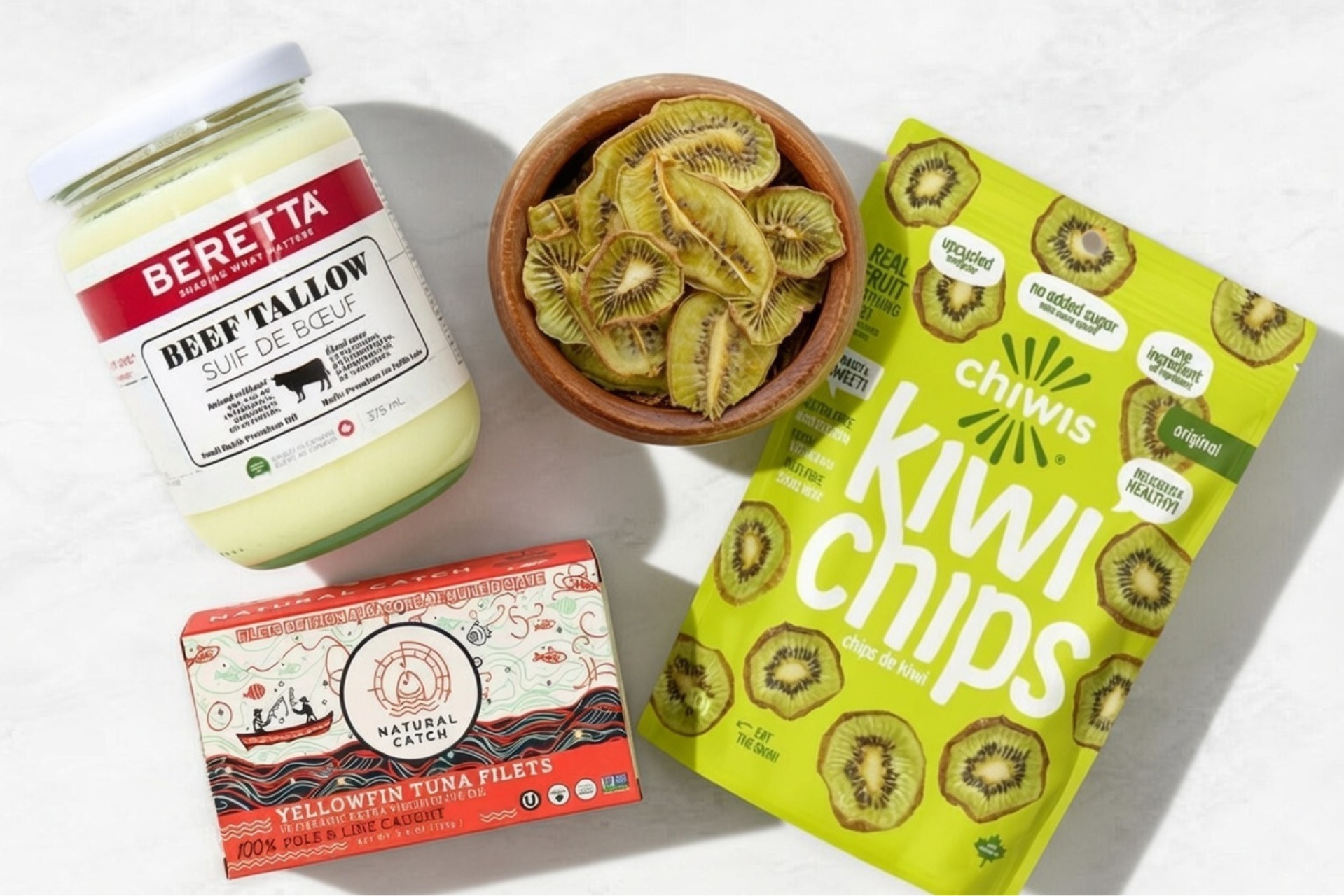
Fresh citrus is obvious but seasonal. Kiwi chips give you concentrated vitamin C in shelf-stable form.
Berries pack antioxidants. Frozen works fine and costs less than fresh.
Hydration matters more than people realize. Mucous membranes are your first defence. Dried-out membranes don't work as well. Coconut water hydrates while adding electrolytes.
Sparkling water makes hydration more interesting if plain water bores you.
Fruit and hydration strategies:
- Keep shelf-stable options for year-round consistency
- Frozen berries work great in smoothies
- Hydrate deliberately instead of waiting until thirsty
- Variety prevents boredom and covers more nutrients
- Convenient formats mean you actually eat them
Consistent intake of quality options beats perfection.
Quality Proteins and Healthy Fats
Fatty fish deliver omega-3s and protein together. Sardines are shelf-stable and nutrient-dense. Higher omega-3s than most fish.
Wild-caught tuna offers another convenient protein option with healthy fats from the olive oil.
Cooking fat quality matters. Beef tallow is stable at high heat and adds nutrients. Grass-fed sources offer better fat profiles.
Olive oil spray makes using quality oil convenient. No measuring, less waste.
Fat quality impacts inflammation levels. Industrial seed oils promote inflammation. Traditional fats like tallow, olive oil, and coconut oil don't.
Protein and fat priorities:
- Fatty fish twice weekly hits omega-3 targets easily
- Stable cooking fats prevent inflammatory compound formation
- Convenient formats remove barriers to consistent use
- Quality over quantity with fats, especially
- Variety in protein sources ensures complete amino acid intake
Your body builds immune cells from what you feed it. Quality inputs matter.
Mineral-Rich Basics and Smart Carbs
Regular table salt is just sodium chloride. Sea salt contains trace minerals your body needs in small amounts.
Grey sea salt has even more minerals from less processing. The colour indicates mineral content.
Celtic sea salt in a shaker format makes daily use easy. Swap it for regular table salt.
Carbs aren't the enemy. Quality rice provides energy without blood sugar chaos. Your immune system needs energy to function.
Ultra-processed carbs spike blood sugar and promote inflammation. Whole food carbs don't.
Mineral basics that work:
- Switch to quality salt for daily trace mineral intake
- Choose whole food carbs over refined versions
- Don't fear carbs during illness when you need energy
- Mineral variety comes from varied whole foods
- Simple swaps make consistent improvement easy
Small changes compound. Better salt alone improves mineral intake significantly.
Eating Patterns That Support Immunity
Eating patterns that support immune function emphasize consistency, variety, reduced inflammation, and gut health support. How you eat matters as much as what you eat. Regular balanced meals maintain stable blood sugar and reduce stress on your system. Minimizing inflammatory triggers while supporting gut health creates conditions where your immune system can focus on actual threats rather than constant internal fires.
Consistency Over Perfection
Regular meals support stable blood sugar. Blood sugar crashes stress your system. Stressed systems don't defend well.
Erratic eating creates unnecessary stress. Your body handles predictable nutrition better than feast-or-famine chaos.
Sleep and stress management matter too. Food supports immunity but can't overcome chronic sleep deprivation.
Restriction during illness backfires. Your immune system needs energy to fight. Under-eating extends recovery.
Consistent patterns:
- Regular meal timing reduces metabolic stress
- Adequate calories fuel immune function
- Quality sleep as non-negotiable as food
- Stress management prevents immune suppression
- Eating when sick supports recovery
Decent consistency beats sporadic perfection.
Reducing Inflammatory Triggers
Chronic inflammation exhausts your immune system. It's like having your alarm constantly going off. Eventually it stops responding appropriately.
Ultra-processed foods promote inflammation. So does excess added sugar. And oxidized industrial oils.
Individual variation matters. Some people react to gluten or dairy. Others don't. Your triggers might differ.
Gut health connects to immune function. Most of your immune system lives in your gut.
Reducing inflammation:
- Minimize ultra-processed foods when possible
- Reduce added sugar without obsessing
- Choose anti-inflammatory fats like olive oil
- Notice your reactions to specific foods
- Support gut health with fiber and fermented foods
You're reducing inflammatory load so your immune system has bandwidth.
When You Need More Structure: The Autoimmune Protocol
The Autoimmune Protocol is an elimination diet designed for people with autoimmune conditions or chronic inflammation.
It removes common inflammatory triggers temporarily. Grains, legumes, dairy, eggs, nightshades, nuts, seeds. Then you systematically reintroduce to identify your specific triggers.
Who might benefit? People with diagnosed autoimmune conditions. People with chronic inflammation not responding to general healthy eating. People who suspect food reactions but don't know which foods.
It's temporary. The elimination phase lasts weeks, not forever. Reintroduction helps you find your personal tolerance.
AIP-friendly options like compliant sweeteners make the protocol more sustainable. Tomato-free pasta sauce works when nightshades are out.
AIP basics to know:
- Medical guidance recommended for proper implementation
- Temporary elimination followed by systematic reintroduction
- Individual results vary significantly
- Specialty products make compliance easier
- Not necessary for everyone with immune concerns
The Autoimmune Protocol isn't for everyone. It's a tool for specific situations requiring structured intervention.
How Natura Market Supports Your Immune Health
We've curated immune support foods and Autoimmune Protocol compliant options that actually meet quality standards. From mineral-rich salts to AIP-friendly staples, we stock items that support immune function without requiring you to hunt through ten stores. The brands we carry prioritize ingredient quality and proper sourcing.
Shopping with Natura Market means specialty items for immune support and AIP compliance delivered across Canada. Free shipping over $59 takes the stress out of finding quality options during cold season when you're already trying to stay healthy. We bring hard-to-find items to your door.
Supporting your wellness goals shouldn't add stress during an already challenging season. Whether you're following the Autoimmune Protocol or just trying to eat better during cold months, quality immune support foods should be accessible. That's what Natura Market does—making healthy choices easy so you can focus on actually feeling good instead of driving around searching for specialty ingredients
Disclaimer:
This blog does not provide medical advice, diagnosis, or treatment. Its content is for informational purposes only and should not be used as a substitute for professional healthcare guidance. Please consult a qualified physician or healthcare provider regarding any medical or dietary concerns. Any topics or product claims mentioned are not intended to diagnose, treat, cure, or prevent any disease. Always review product ingredients and nutrition labels to ensure they are appropriate for your individual needs.

Tip of the Week
Eating well doesn’t mean removing everything on your plate, it’s about small, smart additions that help you feel full, energized, and satisfied.
Here are three simple ways to upgrade your meals:
Boost Your Protein: Protein is key for feeling full longer and supporting muscle growth. Try adding tinned fish to your salad, a protein bar to your bag, or a scoop of protein powder to your baked goods.
Focus on Fibre: Fibre helps keep digestion on track and supports blood sugar balance. Enchance your meals with seeds, beans, berries, oats, or whole grains like quinoa. A sprinkle of seeds or black beans in your salad goes a long way.
Build Flavour with Spices: Herbs and spice blends add depth and excitement to meals with no extra effort needed. A dash of garlic powder or a handful of fresh herbs can transform a dish.
These small additions can make a big difference in how you feel; nourished, energized, and satisfied!
